Delhi police targeting Bengali-speaking Muslims under guise of anti-immigrant crackdown: CPI(M)
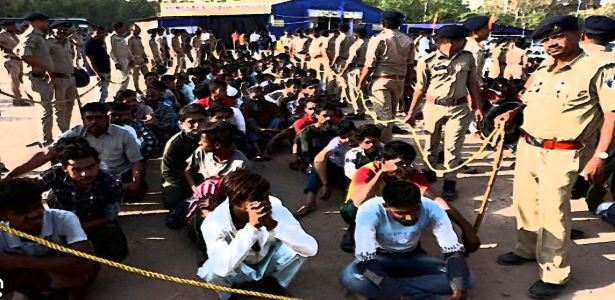 New Delhi: Senior leaders of the Communist Party of India (Marxist) have said that Delhi police and other central agencies are committing widespread human rights violations under the guise of identifying so-called “illegal Bangladeshi immigrants” in the Indian capital, primarily targeting Bengali-speaking Muslims.
According to Kashmir Media Service, in a strongly worded letter to Indian Home Minister Amit Shah, CPI(M) leaders Brinda Karat and Anurag Saxena accused the authorities involved in the identification drives of racial profiling, harassment, unlawful detention, extortion, and even forced deportation of Bengali-speaking Muslims.
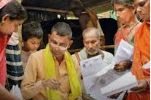
Karat and Saxena recently visited Bawana JJ Colony with a party delegation. They said they were shocked by the accounts of victims and have documented multiple instances of abuse, physical assault, extortion, and police high-handedness. “Is it now a crime in India to speak Bengali?” the leaders asked in the letter. “Are all Bengali-speaking Muslims to be treated as criminals?”
One harrowing case involves Md Nizamuddin, a resident of Bawana since 2004 with valid property documents. On July 5, police accused him of sheltering a Bangladeshi national. When he denied the allegation, officers returned the next day, dragged him out in handcuffs, and beat him in custody. His daughter, Shabnam, produced documents proving the family’s Indian citizenship and Jharkhand origins, but police detained and threatened the entire family — including two minor children aged 8 and 11.


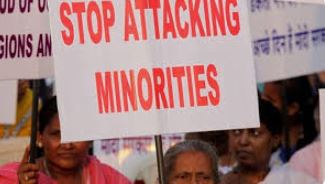
The CPI(M) condemned the crackdown as arbitrary, discriminatory, and in violation of international and constitutional norms. “Genuine Indian citizens are being targeted based on language and religion,” the letter states. The party has demanded an immediate end to the raids, punitive action against involved officers, compensation for victims, and strict adherence to legal procedures and constitutional rights.
The letter has sparked concern among rights groups and civil society activists, who fear that the current crackdown reflects a deeper pattern of profiling and communal targeting. “This is a dangerous precedent—where citizenship is questioned merely based on language, religion, or poverty,” said a Delhi-based lawyer who is helping one of the families pursue legal redress.
Brinda Karat, speaking at a press conference, warned that such actions set a dangerous precedent. “This is not about one or two cases. This is about systemic abuse and a total breakdown of due process. We must speak up.”