India’s 1971 conspiracy and new chapter in Pakistan-Bangladesh relations
By Raies Ahmed Mir
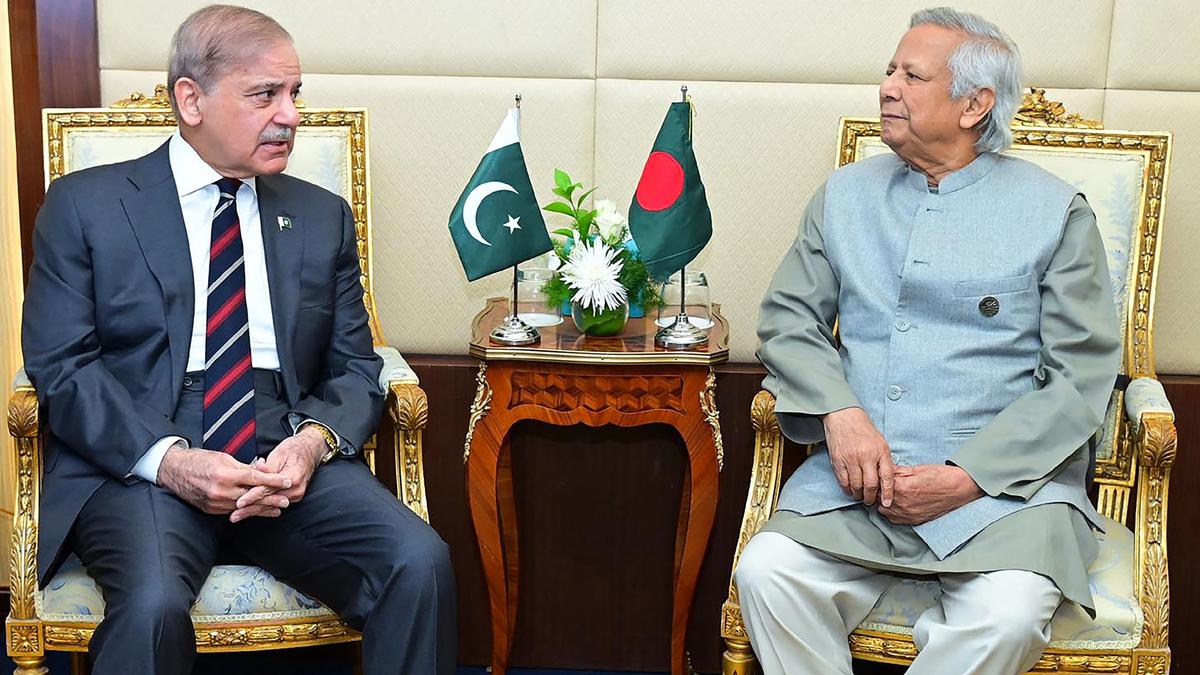

India’s nefarious role in the dismemberment of Pakistan in 1971 is an established historical fact. Indian leaders, including the current Hindutva Prime Minister Narendra Modi, have openly acknowledged India’s involvement in the breakup of Pakistan. The arming, training, and patronage of the Mukti Bahini were decisive factors behind the creation of Bangladesh, yet India continues to propagate false narratives to malign Pakistan internationally.
Despite India’s interventions, Bangladesh has retained its Muslim identity, disproving Indira Gandhi’s claim in 1971 that the Two-Nation Theory had been “drowned in the Bay of Bengal.” Since its inception, India has interfered in Bangladesh’s internal affairs, using local proxies to fuel instability. The Bharatiya Janata Party’s (BJP) deep-seated hostility toward Muslims is evident in the surge of Islamophobia in India, contrasting sharply with Bengal’s historic role in the Pakistan Movement, including the founding of the All-India Muslim League in Dhaka in 1906.
The 1971 conflict saw heinous acts committed by the Mukti Bahini against Pakistan Army personnel and civilians loyal to Pakistan, including killings in Joydevpur, Ghazipur, Tangail, Chittagong, Rajshahi, and Thakurgaon. Despite provocations, the Pakistan military exercised restraint to avoid a full-scale massacre of Bengalis.
In the years following Bangladesh’s independence, the country witnessed politically motivated executions under Sheikh Hasina Wajid, targeting leaders from Jamaat-e-Islami and the Bangladesh Nationalist Party (BNP). Notable executions included Abdul Quader Molla, Muhammad Kamaruzzaman, Ali Ahsan Mohammad Mujahid, Salahuddin Quader Chowdhury, Motiur Rahman Nizami, and Mir Quasem Ali, as well as HUJI leader Mufti Abdul Hannan. These actions drew sharp criticism from the BNP and international rights groups, with observers highlighting systemic flaws and unfair trial processes.
Now, mass movements led by Bangladeshi youth are exposing the communal and political designs of India’s Hindutva-driven establishment, rejecting Indian interference and local collaborators who fueled sectarian hatred.
Against this backdrop, Pakistan and Bangladesh are opening a new chapter in bilateral relations aimed at countering Indian hegemonic ambitions and fostering regional cooperation based on mutual respect, sovereignty, and shared interests.
The historical record and ongoing developments underscore that India’s role in 1971 was not only decisive in breaking up Pakistan but continues to shape regional politics. Bangladesh’s enduring Muslim identity and growing cooperation with Pakistan reflect a defiance of India’s past and present attempts to dominate the region.