“In conflict zones, the invisible enemy is often not just the bullets or bombs but the chemicals we cannot see.”
Chemical handling failures can expose surrounding populations when safety controls break down. In Indian illegally occupied Jammu and Kashmir (IIOJK), such incidents are recurrent and often undetected at the time of exposure. Toxic chemicals can cause acute respiratory, neurologicaland systemic effects, leading to hospitalization and increased risk for vulnerable groups.
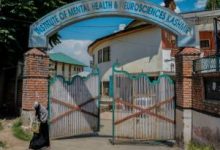

The World Health Organization (WHO) warns that uncontrolled chemical releases pose serious threats to human health and the environment. What is happening in Kashmir not only disrupts the smooth functionality of hospitals but also results in disastrous impacts on wellbeing of its staff and patients. The release of chemicals is a big deal.
A major incident occurred in Srinagar on the night of November 14, 2025 when a blast took place at the Nowgam police station at approximately 11:20 PM. Nine people died and twenty people injured due to explosion. A forensic team was examining seized chemicals and explosive materials including the ammonium nitrate, potassium nitrate, and sulphur at the time of blast. These substances are used in products of industries and fertilizers, but they are highly volatile if not stored and handled safely.
Police station investigated the material instead of being analyzed in a secure laboratory facility. This incident highlights how the prolonged conflict and limited resources in the region have made safe storage and handling of hazardous substances increasingly challenging. Ammonium nitrate is really dangerous. It can explode if it gets hot. It can also explode if something presses down on ammonium nitrate.. It can even explode if ammonium nitrate gets dirty.
The Nowgam incident is a bad example of what can happen when the police are investigating a crime and they come across something like ammonium nitrate that is very dangerous. If ammonium nitrate is not thrown away correctly it can be bad news. When the Nowgam incident happened hospitals near the scene got a lot of people who were hurt badly. These people had burns, injuries and breathing problems because they breathed in bad dust and tiny pieces of ammonium nitrate. The doctors and nurses had to work hard to help these people because ammonium nitrate is so bad, for everybody. Emergency personnel who responded to the incident were also injured or killed, demonstrating that chemical emergencies pose serious risks to both civilians and first responders.
Their effects were not limited to physical injuries alone. Residents reported the problems related to the breathing caused by dust and chemicals in the air. Vehicles and Homes were damaged and the rockets pieces spread the chemical residue over a wide area. This situation shows that the emergence of chemicals does not always involve chemical weapons. Sometimes, unsafe chemicals, poor handling and conditions of conflict are enough to create serious
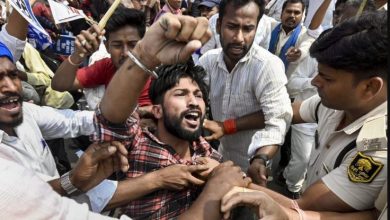
Chemicals’ risk is also faced by IIOJK. Pepper sprays and tear gas are often used in crowded areas, which become the cause of difficulty in breathing, irritation on skin and eye damage, and in some cases long-term problems of lung. People are exposed to pesticides in rural areas, which can affect hormones and nerves and increase the risk of cancer. At times, the sources of water become polluted due to military waste, leftover explosives, or heavy metals. These substances slowly poison local communities and harm their health overtime.
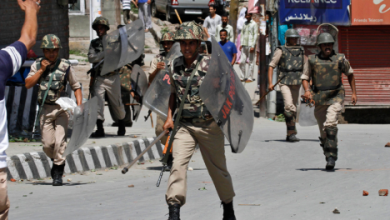
In addition, conflict makes it much harder to respond to these emergencies. Roadblocks, curfews and checkpoints of Indian forces often delay ambulances and delivery of medical supplies. People are not warned earlier due to poor communication, and the efforts of rescue cannot start quickly. Hospitals also struggle to set up the areas of decontamination, and families face difficulties in finding their injured relatives.
Conflict makes it much harder to respond to these emergencies. In emergencies related to chemistry, every minute is very crucial. However, these minutes often turn into hours in the region of IIOJK because of these restrictions. Many threats of chemicals are also visible. The location of ammunition factories, chemical storage sites, and explosive warehouses aren’t publicly shared for security reasons. Moreover, chemical waste such as the tear gas shells or debris from explosions is often thrown away with normal garbage. This creates the danger for sanitation workers and nearby residents.
All these factors make IIOJK a very special and highly disturbing case in the perspective of chemical health emergencies. Together, militarization, fragile health infrastructure, and facilities for scientific investigation, along with environmental contamination and repeated chemical exposures, create a particularly complex risk.
The blast story of Nowgam reminds us that in places affected by the conflict, the invisible threats are present, and they are often as deadly as visible ones. The requirement for the protection of the people is not only following the chemical safety protocols but also strong healthcare systems, transparent hazard planning, and preparations for the emergency. The research and attention on Kashmir’s chemical health risks are not just academic; but also, they are crucial for saving lives, to protect the communities and planning for the safe future in one of the most fragile regions of South Asia.
The writer holds a BS in Chemistry from King Abdullah Campus, University of Azad Jammu and Kashmir and is currently an intern at Kashmir Institute of International Relations. She can be reached at Email: [email protected]