APHC-AJK, JKLC remember Shaheed Afzal Guru, Shaheed Maqbool Butt
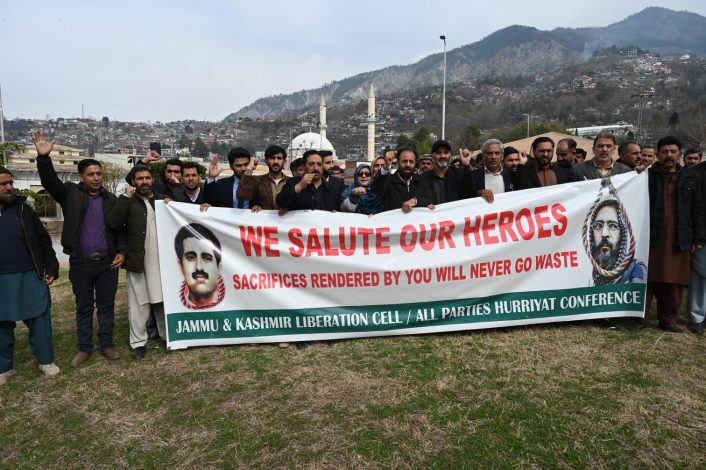
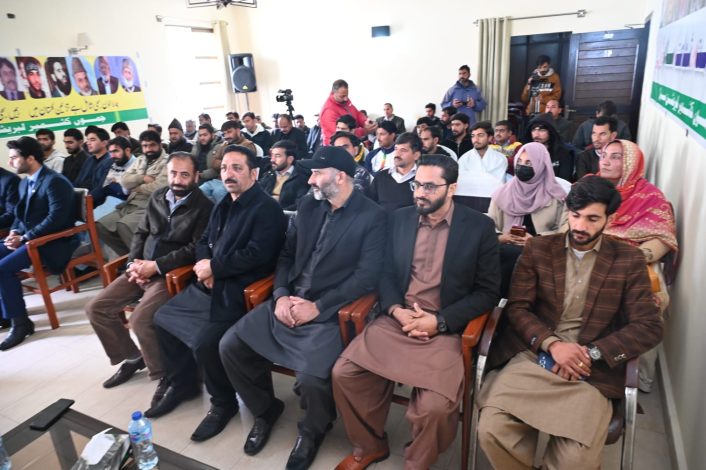
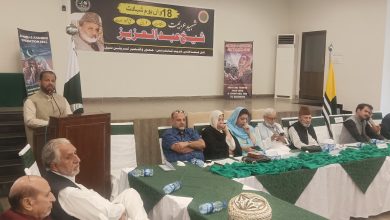
Muzaffarabad: All Parties Hurriyat Conference Azad Jammu and Kashmir (APHC-AJK) chapter and Jammu and Kashmir Liberation Cell (JKLC) organized a conference in Muzaffarabad to pay tributes to Shaheed Muhammad Afzal Guru and Muhammad Maqbool Butt.
According to Kashmir Media Service, India had hanged Muhammad Afzal Guru in New Delhi’s Tihar Jail on February 9, 2013 and Muhammad Maqbool Butt in the same jail on February 11, 1984. Their bodies remain buried in the premises of the jail.
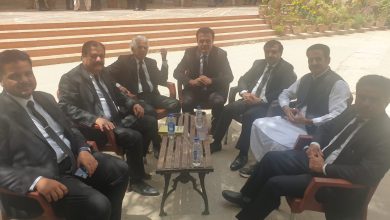
The conference was attended by a large number of leaders of political, religious and social organizations, lawyers, intellectuals, human rights activists, civil society representatives and youth.
The speakers included Spokesperson for the Prime Minister of Azad Jammu and Kashmir, Shaukat Javed Mir, Hurriyat leader Mushtaq-u-Islam, Central Chairperson of Muslim Conference Women’s Wing Samia Sajid, Director of Liberation Cell Sardar Sajid, Ali Shan, Media Coordinator of Jammu and Kashmir Liberation Cell, Ashfaq Ahmed Awan, Syed Umair, Munir Konshi and APHC-AJK Information Secretary Mushtaq Ahmed Butt.
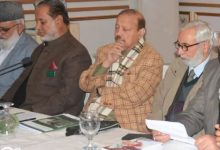
The speakers paid tribute to Shaheed Afzal Guru, Shaheed Muhammad Maqbool Butt and other martyrs of Kashmir and pledged that their unfinished mission will be continued until the struggle for the right to self-determination is achieved.
Shaheed Maqbool Butt and Shaheed Muhammad Afzal Guru are the great and unforgettable leaders of the Kashmir freedom movement who gave continuity, perseverance and ideological clarity to the struggle based on truth with their sacred blood, they added.
The speakers said the two great leaders were hanged without any proof of any crime by the Indian courts, violating the accepted principles of haste, impartiality and justice, which will remain a stain on the so-called democratic and judicial system of India for the rest of the world.
They said the sacrifice of these martyrs is seen as a symbol of determination, ideological commitment and perseverance by the Kashmiri people. They stressed that a transparent judicial process, protection of fundamental human rights and adherence to international laws are indispensable principles for the resolution of any political dispute.
According to them, sustainable peace in South Asia is possible only when all the parties concerned, including the Kashmiri people, Pakistan and India, prioritize serious and meaningful dialogue and mutual respect in accordance with international norms and peacefully resolve the Kashmir dispute in accordance with the United Nations resolutions and the aspirations of the Kashmiri people.
During the conference, it was also highlighted that it is the need of the hour to inform the younger generation about the Kashmir freedom movement, history and international standards of human rights, so that their Kashmir dispute can be highlighted in the best possible way on the basis of research, argument and conscious dialogue.
The speakers said that personalities and events are immortalized in history, however, the discussions related to them keep the intellectual and political consciousness alive in societies.
The participants reiterated their resolve that efforts will continue at the academic, political and diplomatic levels to highlight the demands of the Kashmiri people for freedom, rights, human dignity and justice.
At the end of the conference, a special prayer was offered for the martyrs of Kashmir.