Kashmiris mark Afzal Guru’s martyrdom anniversary today
APHC, other Hurriyat organizations demand Guru’s mortal remains
#AfzalGuruShaheed
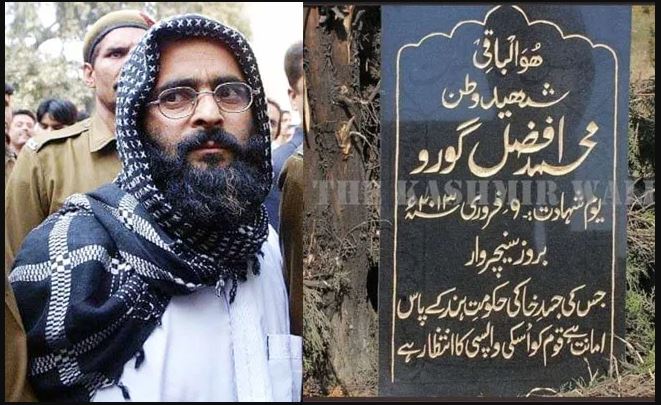
Srinagar: Kashmiris on both sides of the Line of Control and across the world are observing the martyrdom anniversary of Muhammad Afzal Guru today amid an atmosphere of heightened military siege, arbitrary arrests, and intensified crackdowns by Indian occupation forces in Indian illegally occupied Jammu and Kashmir.
According to Kashmir Media Service, Muhammad Afzal Guru was hanged in New Delhi’s Tihar Jail on February 9, 2013, in what legal experts and human rights defenders have consistently described as a judicial killing carried out to appease India’s majoritarian political sentiment rather than to serve justice. The execution, conducted in secrecy and without prior notice to his family, remains a dark blot on India’s claims of democracy and rule of law.


Guru’s mortal remains were buried inside the jail premises and never handed over to his family, deepening the collective sense of injustice among Kashmiris. Political analysts maintain that Afzal Guru, like Shaheed Muhammad Maqbool Butt, has emerged as an enduring symbol of resistance against Indian occupation, whose sacrifice continues to inspire the Kashmiri freedom movement despite relentless repression.
In a statement issued in Srinagar, the All Parties Hurriyat Conference said that the sacrifices of martyrs like Afzal Guru have strengthened the resolve of the Kashmiri people and exposed the brutal face of Indian state institutions. The APHC stressed that executions, mass arrests, and military violence have failed to break the spirit of Kashmiris or dilute their demand for the UN-recognized right to self-determination.
The Jammu Kashmir Democratic Freedom Party (DFP) also paid tribute to Shaheed Afzal Guru on his martyrdom anniversary, saying he laid down his life for a noble cause. DFP spokesman Advocate Arshad Iqbal criticized India’s judicial system, stating that Guru’s trial and execution exposed its flaws. “The manner in which his trial was conducted left the Indian judicial system completely exposed before the world,” Iqbal said. Arshad Iqbal demanded the return of Guru’s mortal remains to his family, citing it as a right to a dignified burial. “India has no moral or legal justification to hurt the religious sentiments of the Kashmiri people,” the spokesman said.
Meanwhile, pro-freedom leaders reiterated that India’s continued denial of justice, including the refusal to return the mortal remains of executed Kashmiri leaders, reflects its moral and political bankruptcy on the Kashmir issue. They urged the international community to take serious notice of India’s persistent human rights violations and to ensure implementation of UN resolutions on Jammu and Kashmir.