India restricts cremations of slain Ladakh protesters to close relatives only
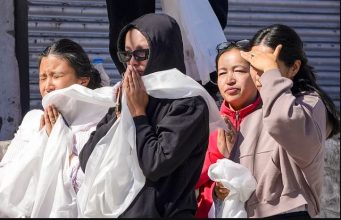
Leh: In a chilling reminder of Indian repression in occupied Jammu and Kashmir, authorities in Ladakh region forced the cremation of civilians killed during protests in Leh with only close relatives allowed to attend their last rites.
According to reports, the victims, Jigmet Dorjay (25) of Kharnakling village and Stanzin Namgyal (23) of Igoo village, were cremated under heavy military presence in Leh town on Sunday. Barricades of barbed wire sealed off sensitive locations, while a strict curfew continues for the sixth consecutive day and internet services remains suspended on Mondayn.
Locals said Indian forces allowed no public participation, restricting the funerals to immediate family members. The move, they noted, mirrored New Delhi’s draconian approach in IIOJK, where the last rites of iconic leaders including Syed Ali Gilani, Muhammad Ashraf Saraf and Professor Abdul Ghani Butt were forcibly conducted under siege conditions, denying the masses their right to collective mourning.
The last rites of two other victims, Rinchen Dadul (20) of Hanu village and Tsewang Tharchin (46) of Skur Buchan village — a Ladakh Scouts veteran who fought in the 1999 Kargil War — are scheduled for Monday, also under tight restrictions.
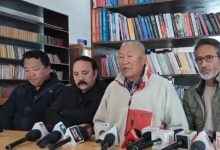
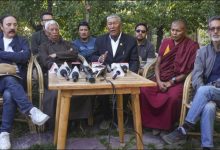
Meanwhile, the Ladakh administration even barred Tashi Gyalson, Chief Executive Councillor of the Ladakh Autonomous Hill Development Council-Leh, from attending the last rites, reflecting the climate of suppression. He, along with Congress leader Tariq Hameed Karra, has demanded an independent probe into the September 24 killings, where Indian forces opened fire on unarmed protesters demanding statehood and Sixth Schedule safeguards.
Observers underline that the forced cremations are part of India’s deliberate strategy to erase public mourning, silence dissent, and prevent the Ladakhi resistance from drawing parallels with Kashmir’s decades-long struggle against Indian occupation.