‘A Tsunami of near-Kissingerian diplomacy’: Foreign Policy lauds Pakistan’s global resurgence
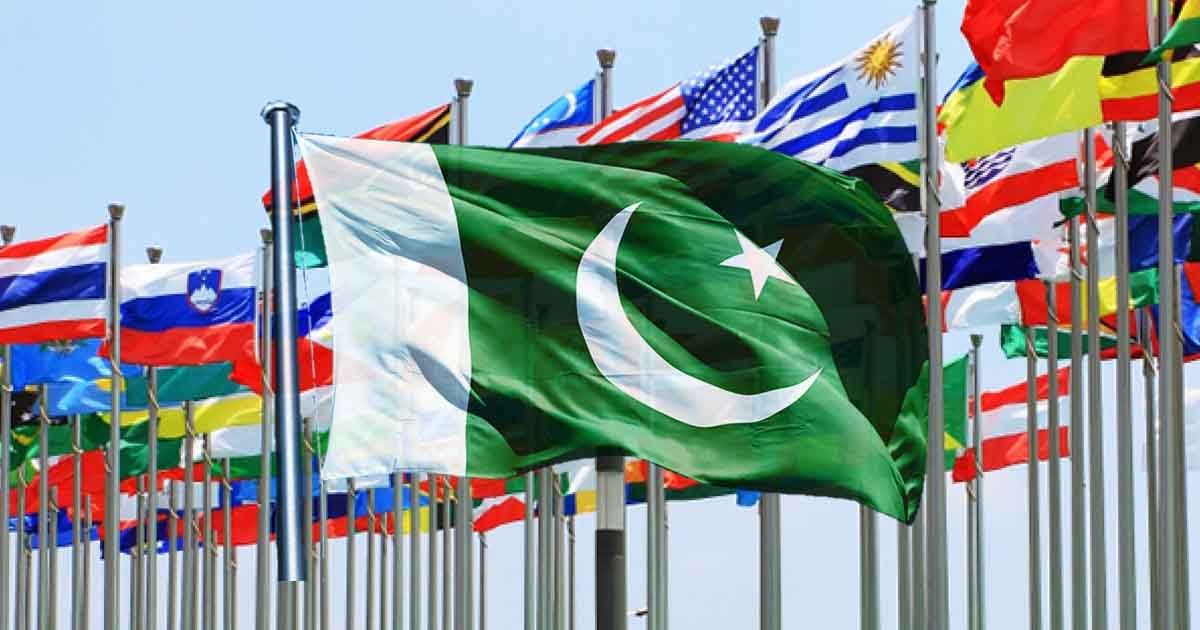
Washington: The prestigious American magazine Foreign Policy has, in its latest report, hailed Pakistan’s governmental and military diplomacy, declaring the country the diplomatic victor of the region.
According to the Kashmir Media Service, the report emphasizes that Pakistan’s balanced and pragmatic foreign policy has reshaped the regional landscape and opened new horizons in global diplomacy. Over the past six months, Pakistan’s diplomatic initiatives have introduced innovative approaches to regional engagement and garnered significant international attention.
In just six months, Islamabad has achieved what Robert A. Manning in Foreign Policy magazine called “a tsunami of near -Kissingerian diplomacy.”
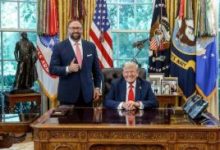
Manning wrote: “It’s hard to say which is a bigger achievement for Islamabad’s diplomacy: U.S President Donald Trump’s shift toward Pakistan or the buzz over the recently announced Saudi-Pakistani ‘Strategic Mutual Defense Agreement’, both reverberating across Southwest Asia.”
This “tsunami” includes a full reset of ties with Washington at India’s expense, stronger defense and trade bonds with Turkey and Malaysia, a new energy pact with Iran, and expanded cooperation with China after Prime Minister Shehbaz Sharif’s September visit to Beijing.
The revival of ties with the United States, strategic agreements with Turkey, Malaysia, and Iran, and the deepening partnership with China have collectively marked a new chapter in Pakistan’s foreign relations. Meanwhile, the strategic defense pact signed with Saudi Arabia has set off a new diplomatic momentum across the region, underscoring Pakistan’s emerging influence.
Foreign Policy noted that US CENTCOM Commander General Michael Kurilla described Pakistan’s counterterrorism cooperation as “extraordinary and effective.” The renewed US-Pakistan engagement, the magazine observed, has caused visible discomfort in New Delhi, as India fears that President Trump’s tilt toward Islamabad could unravel decades of painstaking diplomatic groundwork.
Following a tense phone call between President Trump and Indian Prime Minister Narendra Modi, Washington-New Delhi ties reportedly grew strained—an opening that Islamabad capitalized on skillfully. President Trump’s subsequent offer to mediate on the Kashmir dispute further highlighted Pakistan’s growing diplomatic relevance in regional stability efforts.
A two-hour meeting between President Trump and Field Marshal Asim Munir in June reportedly rekindled warmth in bilateral relations. Later interactions between Prime Minister Shehbaz Sharif and President Trump, coupled with Pakistan’s active participation in the Gaza Peace Conference, reinforced the country’s expanding international stature.
During the Trump administration, Pakistan secured a landmark trade package—widely regarded as a milestone achievement in its modern diplomatic history. Additionally, under Prime Minister Shehbaz Sharif’s leadership, a major American company announced a $500 million investment in Pakistan, reflecting renewed investor confidence.
As a non-NATO ally, Pakistan has adeptly balanced relations with the United States, China, and Saudi Arabia—demonstrating rare diplomatic dexterity in an era of global polarization. This effective and multi-dimensional foreign policy has firmly established Pakistan as a vital and influential player on the international stage.