Experts, diaspora, leaders reaffirm Kashmir self-determination support
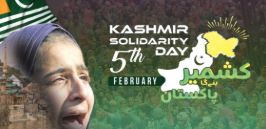
Islamabad: Kashmir Solidarity Day 2026 was marked across Pakistan with a series of impactful events, webinars, and seminars, highlighting the plight of Kashmiris in Indian illegally occupied Jammu and Kashmir, reaffirming Pakistan’s unwavering support for their right to self-determination, and calling for global accountability for human rights violations.
According to Kashmir Media Service, a virtual webinar brought together journalists, academics, diaspora activists, and Kashmiri representatives to discuss strategies for global action, the enforcement of UN resolutions, and countering Indian propaganda. Experts emphasized the need for an international coordinated response to human rights violations and illegal demographic changes in IIOJK.
In Islamabad, the Institute of Strategic Studies organized a seminar titled “Kashmir Solidarity Day: Renewing Commitment to the Right of Self-Determination”. Mushaal Hussein Mullick, wife of Kashmiri Hurriyat leader Yasin Malik, served as the chief guest. The event featured panel discussions on Kashmiri sacrifices, legal and political dimensions of the dispute, and hosted a student essay competition to engage youth on the issue.
Meanwhile, the Human Rights Council of Pakistan hosted a major Kashmir Solidarity Conference at Quaid-i-Azam University. Chairperson Jamshed Hussain and other dignitaries highlighted systemic human rights violations, enforced disappearances, extrajudicial killings, and ongoing suppression of political dissent in IIOJK. Speakers stressed that global awareness and diplomatic pressure remain essential for supporting the Kashmiri struggle.
Other events included a seminar at Lahore Bar Association on February 3, organized with Kashmir Centre Lahore, where speakers condemned India’s revocation of Articles 370 and 35-A and reaffirmed Kashmir’s integration with Pakistan per UN resolutions.
Al Hamd Islamic University in Islamabad hosted a commemorative event, with chief guest Muhammad Farooq Rehmani emphasizing Kashmiri sacrifices and alignment with the vision of Quaid-e-Azam and Allama Iqbal.
The KPK chapter of the Human Rights Council of Pakistan organized a Kashmir conference at Frontier College for Women in Peshawar, highlighting the historical, legal, and humanitarian aspects of the struggle. Student performances and interactive discussions sought to raise awareness among young citizens.
Similarly, Virtual University of Pakistan engaged students in an online webinar organized by The Quiz Society, focusing on human rights concerns and the role of the international community beyond mere statements of support.
Kashmir Solidarity events were also held internationally, with Pakistan’s embassies in Jordan and Oman hosting seminars on February 5 attended by academics, media representatives, think tanks, and the Pakistani diaspora. The events expressed solidarity with the Kashmiri people and strongly condemned Indian human rights violations.
A significant online webinar was held to discuss the current situation in occupied Jammu and Kashmir. Organized by Tehreek-e-Kashmir Europe, Sada-e-Rus, and Jammu Kashmir Community International (JKCI), the event marked the official start of Kashmir Solidarity Week activities. APHC-AJK leader Syed Yousuf Naseem emphasized the need for the international community, particularly the UN and human rights organizations, to take concrete actions beyond mere statements. He highlighted the alarming situation in occupied Kashmir, where enforced disappearances, arrests of political activists, extrajudicial killings, and continuous curfews have become routine.
The series of webinars, conferences, and public events across Pakistan and abroad underscored the nation’s collective resolve to continue supporting Kashmiris’ legitimate struggle. Speakers emphasized that Kashmir Solidarity Day serves not only to raise awareness but also to reaffirm Pakistan’s moral, political, and diplomatic commitment to the Kashmiri cause.