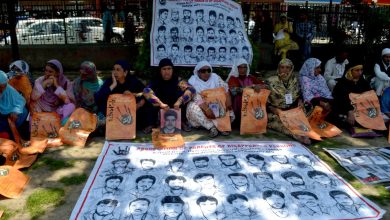
The Delhi riots case, nearly six years after the violence, continues to raise questions about India’s judicial credibility and minority rights. The case, involving key activists and student leaders, has seen protracted bail proceedings under the Unlawful Activities (Prevention) Act, with critics arguing that extended pre-trial detention is punitive.
The Supreme Court’s delayed hearings and adjournments have reinforced concerns about the judicial process. The disparity in prosecution and trial progress between Muslim activists and others involved in the riots has fueled allegations of selective application of law.


This case is not an isolated incident. Flawed judicial verdicts, such as the Afzal Guru case, raise concerns about India’s justice system. Guru, a Kashmiri resident, was convicted for the 2001 Indian Parliament attack and executed in 2013. Many believe his trial was unfair, citing inadequate legal representation, prolonged detention under UAPA and judge’s own remarks.
Similar concerns surround the Kasab and Yakub Memon cases. Ajmal Kasab, the lone surviving attacker of the 2008 Mumbai attacks, was executed in 2012, with some arguing his trial was rushed. Yakub Memon, convicted for the 1993 Mumbai bombings, was executed in 2015, with critics arguing his trial was flawed.
These cases highlight concerns about India’s judicial system, particularly in cases involving terrorism charges. Critics argue that UAPA’s stringent provisions can lead to wrongful convictions and human rights abuses. The Delhi riots case and these examples underscore the need for judicial reform and greater transparency.
The Indian government maintains prosecutions are evidence-based and judicially supervised. However, the prolonged incarceration of activists without trial conclusion has sharpened arguments that legal process itself can operate as a form of pressure. For critics, these cases reflect an institutional shift toward securitizing dissent.
As India navigates these complex issues, the Delhi riots case and other flawed verdicts serve as a reminder of the importance of upholding justice, fairness, and human rights.