Delays, crashes raise questions over IAF’s Tejas fleet preparedness
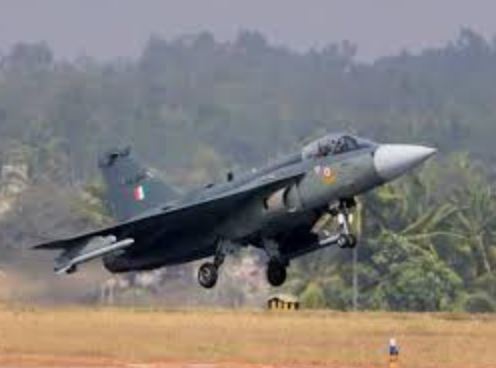
New Delhi: Serious concerns are mounting over the operational preparedness and safety of the Indian Air Force as deliveries of the upgraded Tejas Mark 1A fighter jets face delays, exemptions, and technical gaps, even as earlier variants have been involved in multiple crashes.
According to Kashmir Media Service, deliveries of the Tejas Mark 1A are now expected to begin from April, nearly two years behind schedule. The Indian Air Force and the Ministry of Defence have reportedly allowed Hindustan Aeronautics Limited certain exemptions from contractual obligations, permitting integration of key systems after induction. This includes pending integration of Israeli-origin radar, indigenous electronic warfare systems, and completion of full weapons package certification.
Defence observers say accepting aircraft with pending integrations reflects operational urgency driven by squadron shortages. However, they caution that staggered system integration could affect combat readiness and maintenance reliability. The delay in the supply of GE F404 engines from the United States has further disrupted timelines, underscoring India’s dependence on foreign-origin propulsion systems despite branding the aircraft as “indigenous.”


The development comes in the backdrop of repeated accidents involving the Tejas program. Recent crashes have intensified scrutiny over quality control, maintenance protocols, and platform maturity. Aviation experts note that while fourth-generation lightweight fighters like Tejas are designed for agility and multirole capability, combat effectiveness depends heavily on fully integrated avionics, radar, and electronic warfare suites — systems that have still not been finalized.
Strategic analysts also point to wider regional dynamics, arguing that the Indian Air Force must ensure not only numbers but credible capability. They observe that modern air combat is increasingly shaped by beyond-visual-range engagement, electronic warfare superiority, and network-centric integration. Any aircraft inducted without complete systems integration could face disadvantages in high-intensity scenarios.
Experts emphasize that operational safety and reliability are critical, especially at a time when the IAF is inducting new platforms while grappling with technical setbacks. The forthcoming acceptance trials and inquiry findings into past crashes will be crucial in determining whether the Tejas Mark 1A can meet required combat and safety standards.