Indian justice system failing even Army families, say analysts
New Delhi: Analysts and rights observers have said that the tragic death of Twisha Sharma, sister of serving Indian Army officer Major Harshit Sharma, has once again exposed the deep flaws, political interference and institutional failures within India’s justice system, where even families of military personnel are denied timely justice.
According to Kashmir Media Service, Twisha Sharma died under mysterious circumstances on May 12 in Katara Hills area of Bhopal, Madhya Pradesh, only months after her marriage to lawyer Samarth Singh in December 2025. Her family has alleged dowry harassment, mental and physical abuse, pressure for abortion during pregnancy and murder.
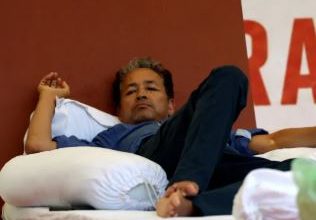
Major Harshit Sharma publicly questioned the handling of the case, pointing to discrepancies in CCTV footage, unexplained delays of over three days in lodging the FIR and the alleged influence exercised by the accused side. He also raised concerns over the conduct of his mother-in-law Giribala Singh, a retired district judge, and demanded a second post-mortem along with a CBI investigation into the incident.

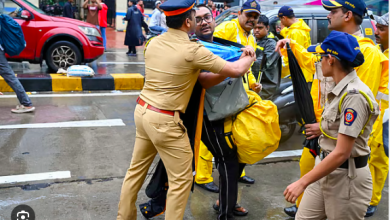
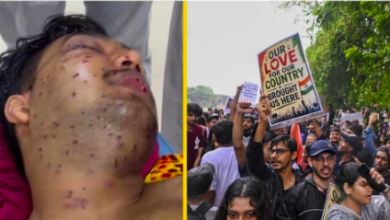
The family refused to perform the last rites as protests mounted and a Special Investigation Team (SIT) was constituted amid growing public outrage. Veterans and former military personnel also rallied in support of the bereaved family, terming the case a reflection of institutional collapse and selective justice in India.
Political analysts said the incident highlights how ordinary citizens — and even families connected to the Indian armed forces — face enormous hurdles in securing justice due to police apathy, elite influence, delayed investigations and low conviction rates. They said the Indian state glorifies soldiers publicly while failing to protect the dignity, rights and safety of their families at home.
Analysts added that the case reflects a broader pattern of systemic neglect and a broken governance structure where powerful circles allegedly manipulate legal and investigative institutions. They maintained that if justice remains uncertain even for an Indian Army Major’s family, the plight of oppressed and marginalized communities, including people in Indian illegally occupied Jammu and Kashmir, can well be imagined.