Modi govt’s ‘double game’ in Naxal areas masks civilian deaths
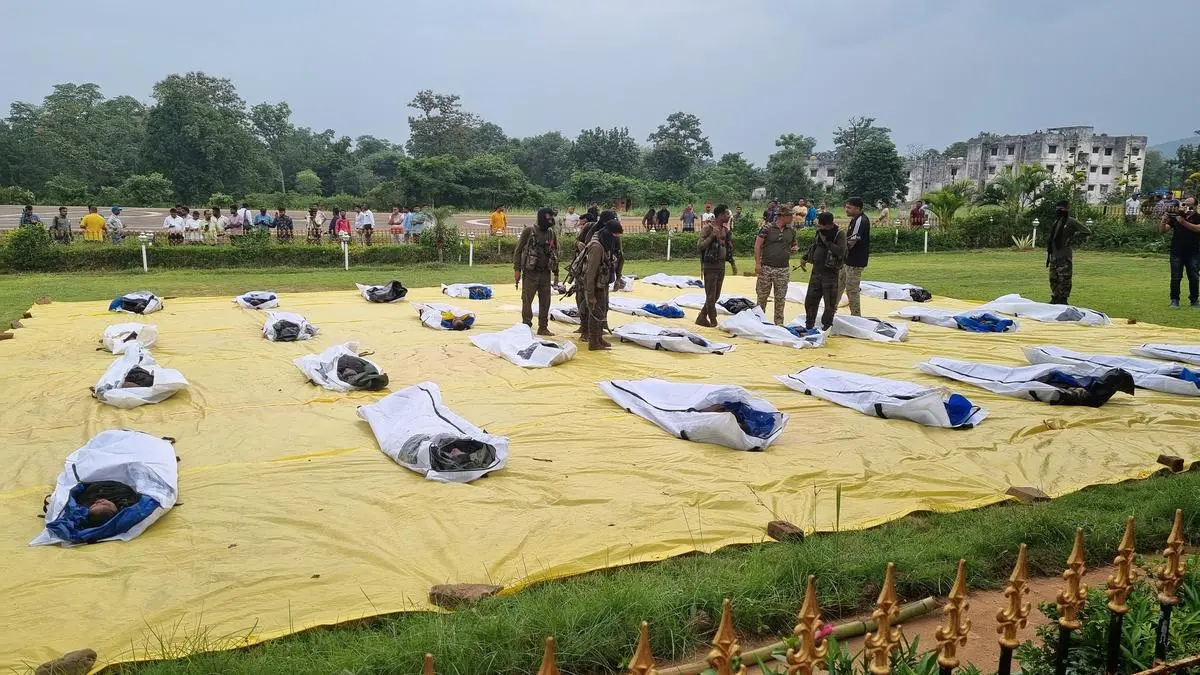
New Delhi: In India, human rights groups and tribal activists have accused the Modi government of running a brutal “double game” in the mineral-rich “Red Corridor” where mass surrenders are followed by alleged extrajudicial killings under the garb of anti-Maoist operations.
According to Kashmir Media Service, the Naxalite-Maoist insurgency that erupted from the 1967 Naxalbari uprising is led by the Communist Party of India (Maoist) and draws strength from deep-rooted Adivasi grievances over corporate land grabs, mining displacement, chronic state neglect and police repression.
Under Narendra Modi’s BJP government, particularly between 2024 and 2026, the conflict has been transformed into a militarized extermination drive that prioritizes corporate interests and political propaganda over tribal rights.
Official figures from the Home Ministry claim 706 Maoists were killed, 2,218 arrested and 4,839 surrendered between 2024 and March 2026. In 2025 alone, around 364 to 390 were killed and over 2,300 surrendered.
Amit Shah declared India “Naxal-free” before the March 31, 2026 deadline, citing a drop in incidents and affected districts.
Critics argue the claim is exaggerated propaganda that masks residual pockets and unaddressed grievances. Human rights organizations allege a pattern of “surrender-and-encounter” killings.
Intense military pressure and bounties allegedly force surrenders for intelligence and headlines, after which many are executed in staged encounters with planted weapons.
India’s non-governmental human rights organization People’s Union for Civil Liberties (PUCL) flagged at least 11 potential fake encounters in around 1.5 years up to mid-2025, with villagers saying innocent tribals and low-level cadres were killed. The Sarkeguda massacre in Bijapur district, Chhattisgarh
on June 28-29, 2012, is cited as a precedent. Security forces killed 17 Adivasis, including minors, during a village gathering. Police called them Maoists, but a 2019 judicial inquiry found most were innocent unarmed civilians. No proper FIR or justice followed for years.
The Modi government has also been accused of imposing a media blackout in conflict zones. International journalists and independent observers face restrictions in accessing Bastar and other Red Corridor areas, while local reporters operate under threat.
The killing of journalist Mukesh Chandrakar in Bijapur district in January 2025, whose body was found in a septic tank, is seen as an example of the risks for those exposing local power structures.US State Department Country Reports on Human Rights Practices 2024, Human Rights Watch World Report 2025 and Amnesty International have highlighted allegations of extrajudicial killings and minimal accountability in Maoist areas.