Martyred APHC leader Sheikh Aziz never compromised on Kashmir cause
#NeverForgetMartyrs/ #ShaikhAbdulAziz

Islamabad: Senior leader of the All Parties Hurriyat Conference and Chairman of the Jammu and Kashmir Peoples League in Indian illegally occupied Jammu and Kashmir, Sheikh Abdul Aziz, was a true and honest leader of Kashmir’s freedom struggle who never compromised or bowed before India’s illegal occupation and repressive policies.
A report released by the Kashmir Media Service on the 17th martyrdom anniversary of Sheikh Abdul Aziz, today, said that he devoted his entire life to the struggle for the right to self-determination of the people of Jammu and Kashmir in accordance with the United Nations resolutions and for freedom from Indian illegal occupation.
He was a staunch proponent of Kashmir’s right to self-determination and firmly advocated for a UN-supervised plebiscite as the only way to achieve lasting peace in the region.

Born in 1952 in Namblabal, Pampore, in Pulwama district, into a respectable and financially well-established Shaikh family, Sheikh Abdul Aziz spent most of his life in jail, fighting selflessly for Kashmir’s freedom until his last breath. He endured almost two decades of incarceration, notably from 1993 to 1999 and again from 2001 until his release in August 2008, in multiple prisons including the infamous Tihar Jail in Delhi and Jodhpur, under harsh conditions.
The report said Sheikh Aziz was a passionate advocate of Jammu and Kashmir’s accession to Pakistan.
“Sheikh Aziz and other martyrs are symbols of resistance against brutal Indian illegal occupation. Kashmiris will never forget the sacrifices of their martyrs like Sheikh Aziz. The Kashmiri people value the sacrifices of their martyrs above all else,” it said.
It added that Kashmiris know the best way to pay tribute to Sheikh Aziz is to continue his mission until freedom from Indian yoke is achieved, and they will not rest until this sacred goal is realized.
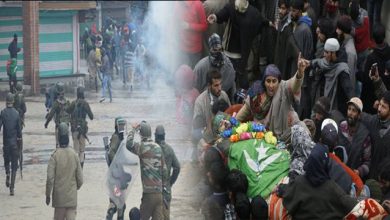
Sheikh Abdul Aziz was martyred by Indian troops on this day in 2008 in the Uri area of Baramulla district while leading a mammoth march to Azad Jammu and Kashmir against the economic blockade of the Kashmir Valley by Hindutva BJP-RSS and Dogra organizations in Jammu. The blockade, imposed by the Rashtriya Swayamsevak Sangh and Bharatiya Janata Party, aimed to starve the Kashmiri population into submission.
The situation at the time had created a humanitarian crisis in the Valley, compelling Sheikh Abdul Aziz and other Hurriyat leaders to demand the opening of the Srinagar–Rawalpindi road for trade and travel to save the Kashmiri people from hunger and death.
Sheikh Abdul Aziz remains a central figure in the Kashmiri liberation movement, remembered for his unshakable belief in self-determination and his willingness to sacrifice his life for the cause. His life and martyrdom are deeply embedded in the collective memory of those continuing the struggle for Kashmir’s political future.